

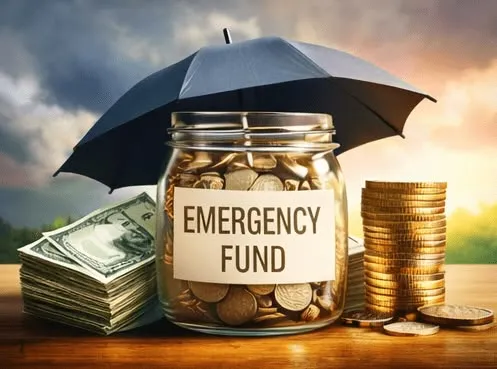
An effective personal finance strategy needs both long-term growth and short-term protection. While investors often concentrate on choosing stocks, ETFs, or brokerage platforms, accessible savings remain essential when unexpected expenses arise. Financial emergencies can involve medical treatment, urgent repairs, temporary unemployment, or professional legal assistance.
Someone searching for a grayson dui layer in grayson ga, for instance, may be trying to understand potential legal responsibilities while determining how to manage unplanned expenses. The wording of this search phrase is location-specific, but the underlying financial concern is universal: where should money be held when it might be needed without warning?
Understanding the Different Purposes of Savings and Investments
Emergency savings and investment portfolios are designed to solve different financial problems. Savings provide accessible funds for relatively immediate obligations. Investments generally aim to increase wealth over longer periods, often while accepting some degree of price volatility. A person who keeps all available money in stocks may face difficulties if urgent expenses arise during a market downturn.
Conversely, holding every financial asset in cash may limit potential long-term returns and expose savings to the effects of inflation. A balanced financial strategy recognizes the importance of both liquidity and growth.
How Much Emergency Savings Is Enough?
There is no universally correct emergency-fund amount. Many financial planning guidelines suggest maintaining approximately three to six months of essential living expenses. However, someone with irregular income, several dependants, or limited insurance coverage may prefer a larger reserve. The calculation should begin with essential costs rather than total monthly spending.
Housing payments, food, utilities, necessary transportation, insurance, and minimum debt repayments generally deserve priority. Someone with monthly essential expenses of €1,500, for example, would need €4,500 to cover three months and €9,000 to cover six months. These figures are illustrative rather than specific financial recommendations. Individual circumstances determine an appropriate savings target.
Comparing Common Places to Hold Emergency Money
Different financial products offer different combinations of accessibility, risk, and potential return. Ordinary savings accounts are often convenient for emergency reserves because funds can usually be accessed relatively easily. Term deposits may offer different rates but can involve restrictions or penalties for early withdrawal. Money market products may provide another option, although their protections and risks must be understood.
Stocks and equity ETFs are generally less suitable for money that may be required immediately because market prices can decline unexpectedly. Cryptocurrencies present additional volatility and operational risks, making them particularly unsuitable as the sole source of emergency liquidity.
Building an Emergency Fund Gradually
Saving several months of living expenses can seem difficult, especially when someone is already paying a mortgage or investing regularly.
Instead of attempting to reach a large target immediately, individuals can establish smaller milestones.
A practical approach includes:
- Calculating essential monthly spending.
- Establishing an initial short-term savings target.
- Automating transfers after receiving income.
- Directing occasional extra earnings toward savings.
- Reviewing unnecessary recurring expenses.
- Replenishing the reserve after an emergency.
Consistency is more important than making occasional contributions that cannot be sustained.
Why Unexpected Legal Expenses Deserve Consideration
Legal problems represent one category of financial uncertainty that is sometimes overlooked during budgeting. Professional advice, administrative requirements, travel, and other case-related expenses can affect available cash. In criminal matters such as impaired-driving allegations, actual legal consequences depend on the facts, relevant law, and outcome. A charge does not automatically establish guilt or financial liability.
Planning for possible expenses is nevertheless useful because it can reduce reliance on expensive borrowing. Emergency savings provide flexibility while individuals obtain reliable information about their obligations.
How Emergency Savings Protect Long-Term Investments
A financial reserve can indirectly support investment performance by reducing the need for unplanned withdrawals. Imagine an investor holding diversified equity ETFs during a market decline. If an urgent expense arises and no cash reserve exists, selling investments may become necessary regardless of market conditions. With accessible savings, the investor may have more freedom to maintain a long-term strategy.
Emergency funds do not prevent investment losses, but they can reduce the likelihood of selling solely because of immediate cash requirements. For investors in Slovakia, product terms, taxation, and applicable deposit protections should be checked according to local requirements.
Conclusion
Choosing between savings and investments should not be an either-or decision. Long-term investments can support wealth creation, while emergency reserves provide financial flexibility when unpredictable costs arise.
Legal expenses are one possible example of circumstances requiring accessible funds. Haigler & Associates Law Firm offers legal services in Georgia for individuals dealing with relevant legal matters. Maintaining a separate emergency fund can help households address unexpected obligations without unnecessarily disrupting their broader financial plans.