

Mining rarely gives equipment an easy day. Hard rock, changing ground conditions, deep drilling, and demanding production schedules can quickly expose the weaknesses of an unsuitable machine. That is why the decision to buy a rig for mining deserves more than a quick comparison of prices and specifications.
The right rig should complement the geology, drilling depth, hole size, mobility needs, and workload of the project. Choosing with these factors in mind can help mining operators achieve consistent drilling performance, control operating costs, and avoid downtime that can slow an entire project.
Start With the Drilling Application
Every mining operation has different requirements. Some projects need blast hole drilling, while others involve mineral exploration, core sampling, or geological investigation. Begin by identifying exactly what the rig will be expected to accomplish.
Consider:
● Required drilling depth.
● Hole diameter and drilling angle.
● Rock and soil conditions.
● Expected drilling frequency.
● Surface or underground operation.
● Available space at the worksite.
These details narrow the equipment options and prevent you from investing in a machine designed for a completely different application.
Match the Rig to Ground Conditions
Ground conditions vary widely across mining sites, making geological compatibility essential when selecting drilling equipment. Hard rock may require greater drilling power, torque, and stability, while other formations demand different drilling methods or fluid systems. Instead of relying only on standard specifications, assess the rig against the actual site conditions. A machine suited to one formation may perform poorly in another environment.
Look Beyond the Purchase Price
The purchase price tells only part of the story. Fuel use, maintenance, spare parts, transportation, operator training, and unexpected downtime can significantly shape a rig’s long-term cost. When choosing equipment, look beyond the initial investment and assess its overall operating value. A slightly more expensive machine may deliver better returns if it offers reliable performance, simpler maintenance, readily available components, and a longer productive lifespan.
Check Mobility and Site Accessibility
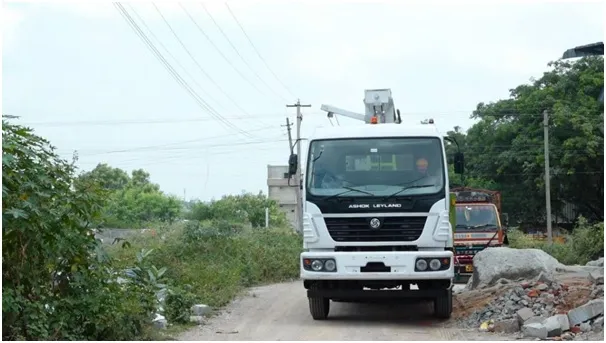
Mining sites are rarely identical. Some are easy to access, while others involve uneven terrain, narrow routes, or remote locations. Rig configuration matters because transportation and setup can influence how quickly drilling begins. Crawler-mounted, trolley-mounted, skid-mounted, and truck-mounted configurations each offer different advantages. Select the format according to your site conditions, transportation arrangements, and frequency of relocation.
Evaluate the Supplier, Not Just the Machine
Equipment quality matters, but supplier support can be equally important. Look for manufacturers with experience across mining and related drilling applications, strong quality-control practices, technical support, and access to suitable accessories and replacement components.
Conclusion
Selecting the right rig is a decision that can influence drilling productivity, operating costs, safety, and project continuity for years. Working with experienced drilling rig suppliers can make the evaluation process more practical by helping match equipment capabilities with geological and operational requirements. Before purchasing, compare drilling capacity, mobility, maintenance needs, component support, and long-term operating costs rather than focusing only on the initial price. Prime Rigs provides equipment across mining, blast-hole, core-drilling, and other applications, giving buyers a broader range of options when assessing equipment for demanding field operations.